
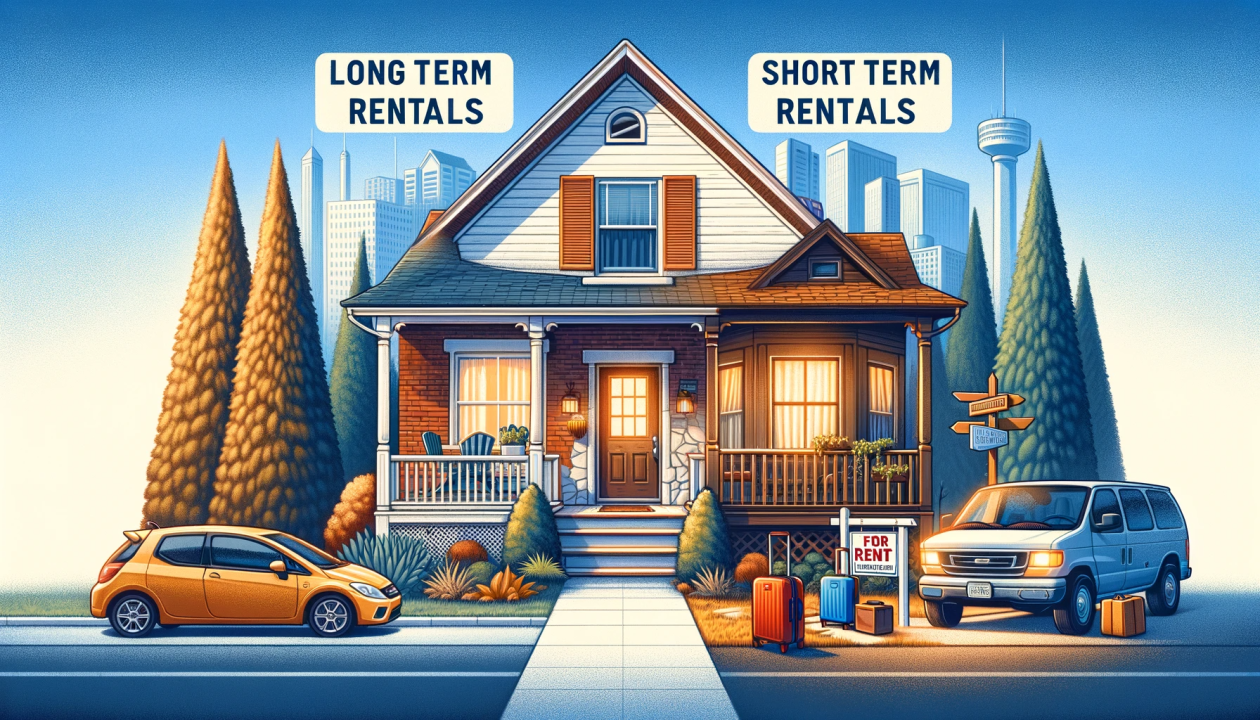
Choosing between short-term rentals vs long-term rentals is one of the most important decisions a real estate investor can make in 2026. With changing market conditions, evolving regulations, and rising home prices, selecting the right rental property strategy can significantly impact your long-term wealth. While both approaches can generate income, they differ in stability, management style, and overall return potential.
Long-term rentals remain a popular choice for investors seeking consistent and predictable cash flow. With tenants typically signing leases for 12 months or longer, this strategy provides steady income and reduced vacancy risk. For investors focused on passive income and lower involvement, long-term rental properties often require less hands-on management and fewer operational expenses. This makes them an attractive option for those prioritizing stability and long-term appreciation.
In contrast, short-term rentals, commonly associated with platforms like Airbnb, offer the potential for higher monthly income by renting properties on a nightly or weekly basis. In high-demand areas, short-term rental income can outperform traditional leases, making it appealing for investors aiming to maximize cash flow. However, this strategy comes with increased responsibilities, including frequent guest turnover, furnishing costs, cleaning, and ongoing property management. Additionally, income from short-term rentals can fluctuate based on seasonality and market demand.
From a financing perspective, understanding how to fund your investment is just as important as choosing the right strategy. Many investors are now leveraging DSCR loans (Debt Service Coverage Ratio loans), which allow qualification based on a property’s income rather than personal income. Long-term rentals typically provide more predictable income streams, making them easier to qualify for under standard DSCR guidelines. Short-term rentals, on the other hand, may require projected rental income data or specialized loan programs, depending on the lender and property type.
Risk is another key factor when comparing rental strategies. Long-term rental properties generally offer lower volatility, making them a more stable option during market shifts. Meanwhile, short-term rentals carry additional risks, including local regulations, zoning restrictions, and changing travel trends. Many cities have introduced tighter rules around short-term rentals, which can directly affect profitability if not properly researched before purchase.
Ultimately, deciding between short-term and long-term rental properties comes down to your investment goals, risk tolerance, and level of involvement. Investors seeking consistent, passive income may find long-term rentals to be the better fit, while those willing to take a more active role may benefit from the higher income potential of short-term rentals. Aligning your strategy with your financial goals and financing options is essential for building a successful real estate portfolio in today’s market.
If you’re evaluating your next investment property and want to determine which strategy aligns best with your goals, having a clear plan is critical. The right financing approach and property selection can position you for stronger returns and long-term growth in an increasingly competitive real estate environment.
At the Harris Team, we believe successful real estate investing starts with a clear strategy—not guesswork. Whether you’re leaning toward the stability of long-term rentals or exploring the higher-income potential of short-term properties, our goal is to help you align the right financing with the right opportunity. We work closely with investors to map out smart, scalable plans that support long-term growth, not just one transaction. If you’re ready to take the next step, the Harris Team is here to help you build a portfolio with confidence and purpose.
